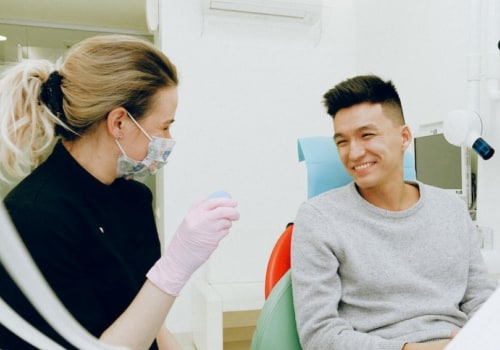
Dental allergies can create additional considerations for individuals receiving oral healthcare. Reactions may involve sensitivity to certain materials, medications, latex, metals, adhesives, or other substances used during dental treatment. Although true allergies are relatively uncommon, patients should communicate any known allergies or previous reactions to their dental provider before undergoing treatment. A thorough medical and dental history can help professionals identify potential concerns and determine whether alternative materials or approaches may be appropriate. Patients should also avoid self-diagnosing an allergy based solely on discomfort, since symptoms such as irritation, inflammation, or sensitivity can have several possible causes. Proper evaluation can help distinguish allergic reactions from other oral health conditions and support safer, more personalized care.
Connecting Oral Health and Emotional Wellness
Dental concerns can affect more than physical comfort. Worry about experiencing another reaction, uncertainty about treatment materials, or memories of previous uncomfortable dental experiences may contribute to anxiety surrounding appointments. Some individuals may become hesitant to seek routine care because they fear an unexpected reaction or feel embarrassed about discussing their concerns. Avoiding appointments can allow preventable oral health problems to become more complicated, potentially increasing stress. Recognizing the emotional side of dental care can help providers create a more supportive experience. Clear explanations, open communication, and opportunities for patients to ask questions may help reduce uncertainty and give individuals greater confidence in their treatment plan.
Creating a Personalized Dental Care Plan
A whole-person approach begins with understanding each patient's unique circumstances. Individuals with known allergies should provide their dental team with accurate information about previous reactions, medications, medical conditions, and substances that have caused problems in the past. In some cases, healthcare providers may recommend additional evaluation or allergy testing to better understand a suspected reaction. Dental professionals can then consider appropriate materials or treatment options based on the patient's needs. Patients should not discontinue prescribed medications or avoid necessary treatment without consulting a qualified professional. By combining accurate medical information with individualized dental planning, providers can address oral health needs while also helping patients feel more informed and comfortable.
Supporting Emotional Confidence
Emotional well-being can influence how individuals approach healthcare decisions, particularly when they have experienced unpleasant reactions in the past. Anxiety may make it harder to communicate concerns or remember questions during an appointment. Preparing a list of allergies, medications, previous reactions, and questions before visiting the dentist can make conversations more organized. Relaxation techniques such as slow breathing may also help some patients feel calmer before or during appointments. When dental concerns contribute to persistent anxiety or broader emotional difficulties, psychological support may be beneficial. Resources such as Cabot Psychological Services can provide professional assistance for individuals who need help managing anxiety, stress, or other emotional concerns connected to healthcare experiences.
Building Long-Term Oral and Emotional Wellness
Taking a whole-person approach means recognizing that dental health and emotional well-being can influence each other. Regular examinations, daily brushing and interdental cleaning, appropriate nutrition, and professional preventive care remain important foundations of oral health. At the same time, patients benefit from having their concerns taken seriously and receiving clear information about treatment options. Dental providers can support this process by creating an environment where patients feel comfortable discussing allergies, sensitivities, fears, and previous experiences. Individuals can also contribute by keeping their medical information current and communicating changes in their health. Ultimately, addressing dental allergies is not only about identifying potentially problematic materials; it is also about building trust, reducing unnecessary anxiety, and creating care plans that respect the patient's physical and emotional needs. With appropriate professional evaluation, thoughtful communication, and supportive healthcare, individuals can pursue healthier smiles while developing greater confidence in their ability to manage their overall well-being.